
Health Sphere
A living wellness system designed to help you build better health, improve lifestyle habits, and understand your body through structured, practical guidance.
 Categories
FOCUS
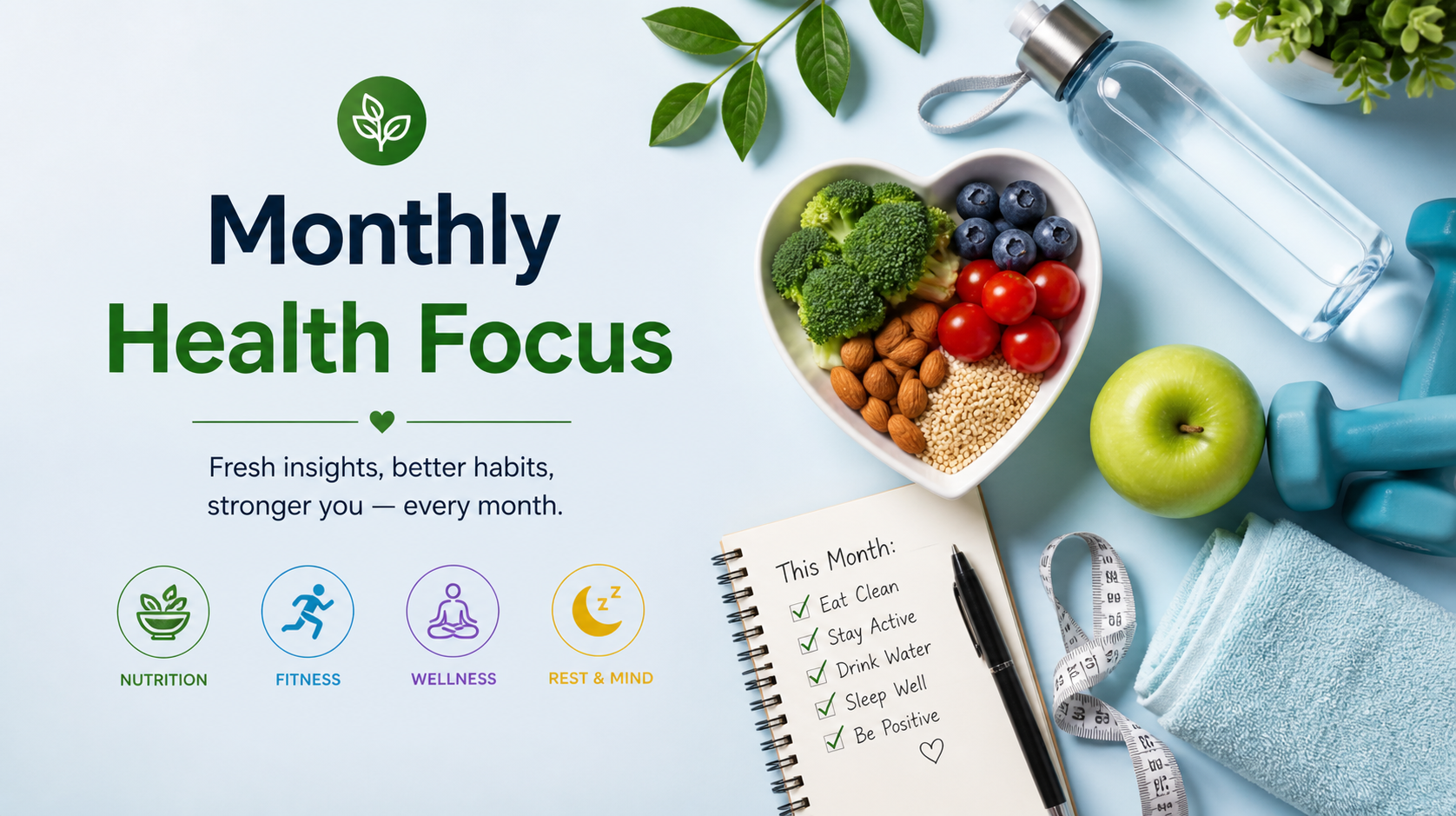
🌟 Monthly Health Focus
Energy Reset & Body Renewal
This month is focused on restoring your natural energy, improving your daily vitality, and helping your body function at a cleaner and more efficient level. Many people feel tired not because they lack rest, but because their daily habits slowly drain their internal energy systems without them noticing.
In this phase, the focus is to simplify your lifestyle, improve sleep quality, stay properly hydrated, and choose foods that support steady energy instead of short bursts followed by crashes. Small consistent improvements in these areas can completely change how you feel within days and weeks.
Across all Health Sphere categories, you are encouraged to pay attention to anything that either builds or reduces your energy. Every choice matters — from what you eat, how you sleep, how you think, and how you manage stress throughout the day.
sleep

Rest, Recovery & Complete Body Reset
Sleep is the foundation of your mental clarity, emotional balance, and physical vitality. During rest, the body repairs itself, the brain resets, and hormones balance naturally. Ignoring sleep quietly undermines every wellness effort.
🧠 Understanding Sleep
Sleep is a highly active restorative process. Your brain processes information, removes toxins, and strengthens neural connections while your body repairs tissues, balances hormones, and restores energy. Without proper sleep, cognitive clarity fades, emotions destabilize, and overall performance diminishes.
🌿 Benefits of Sleep
Quality sleep enhances energy, concentration, and emotional stability. It strengthens the immune system, regulates metabolism, improves skin health, and supports muscle recovery. Good sleep is the single most influential habit that positively impacts every other area of your health.
✅ What to Do
• Sleep and wake at consistent times.
• Create a calm, cool, and dark sleep environment.
• Limit screen exposure before bed.
• Hydrate during the day but avoid late heavy meals.
• Practice relaxation techniques such as deep breathing or light meditation.
Consistency builds natural rhythms that enhance both sleep quality and daytime performance.
❌ What to Avoid
• Irregular sleep schedules.
• Excessive phone or screen usage in bed.
• Heavy late-night meals.
• Loud or disruptive environments.
• Carrying stress unresolved into bedtime.
• Prolonged late-night wakefulness.
Neglecting these can slowly erode both mental and physical health over time.
🌙 Reflect for a Moment
Evaluate your current sleep routine honestly. Are you resting enough to support your body’s repair and mental clarity? Proper sleep is a vital act of self-care, not indulgence. A rested body and mind lay the foundation for every habit, every decision, and every day of optimal performance.
“The body speaks softly through tiredness before it eventually cries through breakdown. Respect your need for rest before exhaustion begins to control your life.”

skin care

Healthy Skin, Natural Glow & Lasting Confidence
Your skin is one of the clearest reflections of your internal health, daily habits, hydration levels, sleep quality, stress management, and overall lifestyle.
Healthy skin is not created overnight and it is not built only with products. Real skin care begins from within — through nourishment, consistency, rest, proper hydration, and intentional self-care.
Many people focus only on covering skin problems without understanding that the body often reveals imbalance through dryness, breakouts, dullness, irritation, or tired-looking skin.
Protecting your skin means protecting your overall wellbeing. When your body is properly cared for internally and externally, your skin naturally responds with brightness, smoothness, and a healthier appearance.
“Healthy skin is not about perfection. It is about consistency, care, protection, and treating your body with respect every single day.”
🌸 Understanding Skin Health
The skin is the body’s largest protective layer. It helps defend the body from environmental stress, bacteria, harsh weather, and irritation. Healthy skin constantly repairs itself, but it requires proper support to remain balanced and strong.
Factors such as dehydration, stress, poor nutrition, lack of sleep, excessive sun exposure, and harsh products can gradually weaken the skin barrier. When this happens, the skin may begin to appear dry, irritated, tired, uneven, or inflamed.
True skin care is not about chasing unrealistic perfection. Healthy skin can still have texture, pores, or occasional breakouts. The real goal is to support your skin so it remains nourished, calm, clean, protected, and naturally radiant over time.
Many people damage their skin unknowingly by constantly changing products, over-scrubbing, or trying extreme routines. Gentle consistency often produces better long-term results than aggressive treatment.
💧 Benefits of Proper Skin Care
Caring properly for your skin helps improve both appearance and confidence. Healthy skin often feels smoother, calmer, cleaner, and more balanced.
Proper skin care may help:
• Improve natural glow and smoothness
• Reduce dryness and irritation
• Support healthier-looking complexion
• Protect against environmental stress
• Reduce excess oil buildup
• Improve skin hydration and softness
• Encourage healthier aging over time
Good skin care is not about becoming someone else. It is about helping your natural skin look healthier, fresher, and more cared for.
When people begin caring for their skin consistently, they often also become more mindful of hydration, sleep, stress levels, food quality, and self-care habits. This creates positive wellness changes far beyond appearance alone.
✅ Healthy Skin Habits
Healthy skin is often built through simple consistent habits rather than complicated routines.
Helpful habits include:
• Drinking enough water daily
• Sleeping properly for overnight skin repair
• Eating balanced foods rich in nutrients
• Keeping the skin clean without over-washing
• Moisturizing when needed
• Protecting the skin from excessive sun exposure
• Managing stress levels consistently
• Giving the skin time to recover naturally
Gentle skin care routines often work better than harsh treatments. The skin responds positively to balance, patience, and proper care.
Building healthy habits consistently can help your skin remain calmer, stronger, and healthier over time.
❌ Habits That Can Damage the Skin
Some daily habits slowly weaken skin health without people realizing it immediately.
Try to avoid:
• Sleeping with heavy makeup on the skin
• Over-scrubbing or over-exfoliating
• Constantly switching products too frequently
• Ignoring hydration
• Excessive stress and poor sleep routines
• Using harsh products without understanding your skin type
• Touching or picking at the skin excessively
Damaging habits may not show effects immediately, but over time they can contribute to irritation, dullness, dryness, breakouts, and weakened skin texture.
Healthy skin requires patience. Quick fixes often create longer-term problems when the skin barrier becomes damaged or overstressed.
✨ Reflect for a Moment
Think about how you currently care for your skin. Are your habits helping your skin heal and stay balanced, or are stress, exhaustion, dehydration, and inconsistency slowly affecting it?
Healthy skin is not built through pressure or unrealistic expectations. It grows through patience, self-respect, hydration, proper rest, nourishment, and consistent care.
Sometimes the most powerful skin care routine is not expensive products — it is giving your body the support it has been lacking for a long time. Your skin responds to how you treat yourself daily, so care for yourself gently, consistently, and intentionally.
“Beautiful skin is not created by hiding imperfections. It is created by building healthy habits that allow your natural glow to rise with confidence.”

Natural Beauty, Confidence & Healthy Self Expression
True beauty is more than physical appearance. It is the reflection of how well you care for your body, your mind, your habits, your confidence, and your wellbeing.
Real beauty grows from health, balance, peace, self-respect, and the energy you carry daily.
Many people spend too much time chasing unrealistic standards while ignoring the small healthy habits that naturally improve appearance over time.
Beauty should never feel like pressure. It should be a healthy expression of self-care, confidence, cleanliness, wellness, and personal growth.
When your body is nourished, your skin is healthy, your stress is managed, and your mind is calm, beauty begins to show naturally without force.
“The healthiest beauty is the kind that grows naturally from peace, confidence, self-care, and consistent healthy living.”
🌸 Understanding Natural Beauty
Beauty is deeply connected to health and emotional wellbeing. When the body feels exhausted, stressed, dehydrated, or unhealthy, it often reflects externally through tired eyes, dull skin, low confidence, and physical fatigue.
Natural beauty grows through balance. Healthy sleep, proper hydration, good hygiene, skin care, movement, nutrition, emotional peace, and positive self-image all contribute to a healthier and more radiant appearance.
Many people compare themselves constantly to edited images, unrealistic standards, or social pressure. Over time, this can create insecurity and unhealthy habits. True beauty should not come from comparison — it should come from taking care of yourself properly and appreciating your own uniqueness.
Confidence, kindness, emotional peace, and self-respect also influence how beauty is expressed. Beauty is not only what people see physically — it is also what people feel through your energy, attitude, and presence.
✨ Benefits of Healthy Beauty Habits
Healthy beauty habits improve more than appearance alone. They can positively affect confidence, mood, self-esteem, emotional wellbeing, and overall quality of life.
Positive beauty and self-care habits may help:
• Improve confidence naturally
• Encourage cleaner and healthier routines
• Support healthier skin and appearance
• Improve emotional wellbeing
• Promote self-respect and self-awareness
• Reduce stress caused by unhealthy comparison
• Encourage consistency in wellness habits
Beauty should never become obsession or pressure. Healthy beauty routines should support your wellbeing, not damage your peace of mind.
The goal is not perfection. The goal is to feel healthy, clean, confident, refreshed, and comfortable in your own skin.
✅ Healthy Beauty Practices
Long-lasting beauty often comes from healthy daily routines rather than temporary quick fixes.
Helpful habits include:
• Staying hydrated consistently
• Maintaining proper hygiene and skin care
• Sleeping adequately for body repair
• Eating balanced nutritious meals
• Exercising regularly to improve circulation
• Managing stress levels
• Protecting your emotional peace
• Practicing confidence and self-respect
Healthy beauty routines should make you feel refreshed and balanced, not pressured or exhausted.
Consistency matters more than intensity. Small healthy habits repeated daily often create the biggest long-term results.
❌ Habits That Can Affect Beauty & Confidence
Some habits slowly affect physical appearance, confidence, and emotional wellbeing over time.
Try to avoid:
• Constant unhealthy comparison with others
• Ignoring sleep and hydration
• Excessive stress and burnout
• Overusing harsh beauty products
• Neglecting proper nutrition
• Allowing social pressure to control self-worth
• Practicing unhealthy self-criticism daily
Real beauty cannot grow properly where there is constant stress, insecurity, exhaustion, or emotional imbalance.
Protecting your mental peace is also part of protecting your beauty and confidence.
💖 Reflect for a Moment
Think about how you currently view beauty and self-worth. Are your habits helping you feel healthier, calmer, and more confident, or are pressure, comparison, stress, and unrealistic expectations affecting how you see yourself?
True beauty grows best in an environment of self-respect, emotional peace, healthy routines, and confidence. It is not built through fear, pressure, or constantly chasing perfection.
Sometimes the most powerful beauty transformation begins when you stop fighting yourself and start caring for yourself more intentionally. Your body, your confidence, and your wellbeing all respond positively when you treat yourself with patience and kindness.
“Beauty becomes powerful when it is supported by health, confidence, peace of mind, and the courage to appreciate yourself without constant comparison.”

Hydration, Body Balance & Everyday Vitality
Water is one of the most essential foundations of human health. Every cell, tissue, organ, and system in the body depends on proper hydration to function effectively.
Hydration supports energy, digestion, skin health, circulation, focus, temperature balance, and overall wellbeing.
Many people underestimate the effects of dehydration because the signs often appear gradually. Fatigue, headaches, dry skin, low concentration, dizziness, poor digestion, and low energy can sometimes be linked to insufficient water intake and poor hydration habits.
Proper hydration is not only about drinking water occasionally — it is about consistently supporting the body throughout the day so it can perform, recover, and maintain balance naturally.
“The body performs best when it is consistently nourished, rested, and properly hydrated from within.”
🌊 Understanding Hydration
Hydration is the process of supplying the body with enough fluids to maintain healthy physical and mental function. Since a large portion of the human body is made up of water, proper hydration plays a role in nearly every internal process.
Water helps transport nutrients, regulate body temperature, lubricate joints, support digestion, and remove waste from the body. When hydration levels drop, the body may struggle to perform these functions efficiently.
Dehydration does not always begin with extreme thirst. Sometimes the body sends smaller warning signs first, including tiredness, dry lips, reduced concentration, headaches, irritability, or low physical performance.
Consistent hydration supports internal balance. Even small improvements in hydration habits can positively affect energy, focus, skin appearance, digestion, and daily wellbeing over time.
💦 Benefits of Proper Hydration
Proper hydration supports many important areas of physical and mental health.
Healthy hydration habits may help:
• Improve daily energy levels
• Support healthier digestion
• Improve concentration and mental clarity
• Help regulate body temperature
• Support healthier-looking skin
• Reduce feelings of fatigue and sluggishness
• Assist healthy circulation and body function
Hydration also supports recovery after physical activity, stress, heat exposure, or long busy days.
When the body receives enough water consistently, many systems are able to function more smoothly and efficiently.
✅ Healthy Hydration Habits
Building healthy hydration habits does not need to be complicated. Small consistent actions throughout the day often make the biggest difference.
Helpful habits include:
• Drinking water consistently throughout the day
• Increasing water intake during hot weather or physical activity
• Eating fruits and foods with natural water content
• Paying attention to signs of dehydration
• Creating regular hydration reminders if necessary
• Reducing habits that contribute to dehydration
Hydration works best when it becomes part of your normal daily lifestyle rather than something done occasionally.
The body responds positively to consistency, balance, and proper care over time.
❌ Habits That Can Affect Hydration
Some common habits may gradually affect hydration levels without immediate notice.
Try to avoid:
• Ignoring thirst signals consistently
• Replacing most water intake with sugary drinks
• Staying dehydrated during busy schedules
• Excessive intake of dehydrating substances
• Neglecting hydration during exercise or heat exposure
• Waiting until extreme thirst before drinking water
Dehydration often develops gradually, which is why consistent daily hydration matters more than occasional large amounts of water.
The goal is to support the body steadily so it can maintain healthy function throughout the day.
💧 Reflect for a Moment
Think about your daily hydration habits. Does your body feel properly supported, refreshed, and energized, or are stress, exhaustion, heat, and busy routines slowly draining your energy and balance?
Hydration is one of the simplest forms of self-care, yet many people ignore it until the body begins showing signs of fatigue, dryness, weakness, or low concentration.
Sometimes the body is not asking for more pressure or stimulation — sometimes it simply needs proper nourishment, rest, and consistent hydration. Small healthy choices repeated daily can create powerful long-term improvements in how you feel physically and mentally.
“Hydration is one of the quiet foundations of health. When the body receives what it truly needs consistently, energy, balance, and vitality begin to rise naturally.”

Vital Force, Focus & Daily Power
Energy is the foundation of everything you do — how you think, move, focus, and perform throughout the day.
When energy is high, life feels clearer, faster, and more productive. When it is low, everything feels heavier and harder to manage.
True energy is not forced — it is built through sleep, nutrition, hydration, movement, and emotional balance.
“Energy is not something you find — it is something you build through daily discipline and balance.”
⚙️ Understanding Energy
Energy is the body’s ability to perform work — physically, mentally, and emotionally. It is produced through cellular activity, oxygen flow, and nutrient breakdown.
When your internal systems are balanced, energy flows naturally without forcing stimulation.
Poor sleep, stress, processed food, and dehydration reduce energy output and create fatigue cycles.
High energy is a result of system efficiency, not temporary stimulation.
⚡ Benefits of High Energy Levels
When your energy system is optimized, your entire life improves.
It may help:
• Improve focus and mental clarity
• Increase productivity and motivation
• Support physical performance
• Improve emotional stability
• Enhance decision-making ability
• Reduce fatigue and burnout
Energy is the fuel behind every result you experience in life.
🔋 How to Build Sustainable Energy
Sustainable energy is created through consistent habits that support your body’s natural systems.
Key habits include:
• Getting quality sleep consistently
• Eating nutrient-dense foods
• Staying properly hydrated
• Exercising regularly
• Managing stress effectively
• Avoiding energy-draining habits
Energy is built in routines, not in emergencies.
❌ Energy Drainers to Avoid
Certain habits silently reduce your energy levels over time.
Try to avoid:
• Poor sleep habits
• Excess sugar and processed foods
• Chronic stress and overthinking
• Sedentary lifestyle
• Overstimulation from screens
Removing energy drainers is just as important as building energy.
⚡ Reflect for a Moment
Think about your current energy levels throughout the day — when you feel strongest and when you feel drained.
Energy is not random; it is a reflection of your daily habits and internal balance.
Small improvements in sleep, food, hydration, and stress management can completely transform how you feel.
“Energy is the quiet result of how well you take care of yourself every single day.”

Nutrition, Eating Habits & Daily Food Intelligence
Food is one of the most powerful influences on human health. It affects energy, mood, skin, digestion, sleep, immunity, and long-term wellbeing. Every meal is a form of information your body processes and responds to.
The goal of healthy eating is not restriction or fear — it is awareness, balance, and consistency. When you understand how food works in the body, you can make better choices without stress or confusion.
Many modern health problems are linked to poor eating habits, emotional eating, and highly processed foods. Learning how to build a healthier relationship with food is essential for long-term wellness.
“Your body is shaped every day by the choices you make at the table — not occasionally, but consistently.”
🍽️ Understanding Food & Nutrition
Food is more than taste or hunger satisfaction. It is fuel, structure, and information for the body. Every nutrient plays a role in how your body functions, repairs, and performs.
Carbohydrates provide energy, proteins support repair and growth, fats support hormones and brain function, and micronutrients regulate internal processes.
When the body receives balanced nutrition, it functions smoothly. When it lacks proper nutrients or is overloaded with processed food, imbalance begins to show in energy, mood, digestion, and appearance.
Understanding food helps you make choices based on awareness rather than impulse or cravings alone.
🌿 Benefits of Healthy Eating
A balanced and mindful approach to food supports both physical and mental wellbeing.
Healthy eating may help:
• Improve energy and daily performance
• Support clearer skin and healthier appearance
• Improve digestion and gut health
• Stabilize mood and emotional balance
• Strengthen immunity and body resilience
• Support better sleep quality
• Reduce cravings and unhealthy eating cycles
When food is balanced, the body becomes more stable, efficient, and resilient over time.
🥗 Healthy Eating Habits
Healthy eating is built through simple, consistent habits rather than strict rules.
Helpful habits include:
• Eating balanced meals regularly
• Including natural whole foods in your diet
• Staying mindful of portion sizes
• Drinking enough water with meals
• Reducing highly processed food intake
• Eating with awareness instead of rushing
• Listening to your body’s hunger signals
The goal is not perfection — it is consistency and balance over time.
❌ Habits That Affect Health
Some eating habits can gradually affect health, energy, and long-term wellbeing.
Try to avoid:
• Excessive processed or fast foods
• Skipping meals frequently
• Emotional or stress eating patterns
• Overconsumption of sugar and refined foods
• Ignoring hunger and fullness signals
• Eating without awareness or rushing meals
Over time, these habits can affect energy stability, digestion, and overall body balance.
🍎 Reflect for a Moment
Think about your current relationship with food. Are your daily choices supporting your energy, mood, and health, or are they creating imbalance over time?
Food is not just about eating — it is about nourishment, awareness, and care for your body. Small consistent improvements can gradually transform how you feel physically and mentally.
When you begin to treat food as fuel rather than impulse, your entire system starts to respond differently in a positive way.
“The quality of your life is deeply connected to the quality of what you consistently put into your body.”
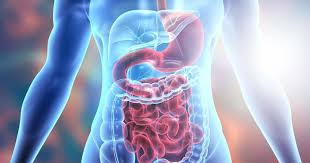
Gut Health, Digestion & Internal Balance
Digestion is one of the most important systems in the human body because it determines how well your body breaks down food, absorbs nutrients, and removes waste. When digestion is working well, the body feels light, energetic, and balanced. When it is not, everything else can feel off.
Many people experience digestive issues such as bloating, discomfort, irregular bowel movements, fatigue, or low energy without realizing how closely these are connected to lifestyle, food choices, stress levels, and hydration habits.
A healthy digestive system supports not only physical comfort but also mental clarity, energy stability, immunity, and even skin health.
“When the gut is in balance, the whole body begins to feel lighter, clearer, and more stable.”
🧠 Understanding Digestion
Digestion is the process through which the body breaks down food into usable nutrients and energy. It involves the stomach, intestines, enzymes, and gut bacteria working together in a complex system.
A healthy digestive system efficiently processes food and absorbs nutrients while removing waste effectively. When this system is disrupted, the body may struggle with nutrient absorption, leading to fatigue, discomfort, or imbalance.
The gut is also closely connected to the brain through what is often called the gut-brain connection. This means digestion can influence mood, stress levels, and mental clarity.
Because of this connection, digestive health plays a role in both physical and emotional wellbeing.
🌱 Benefits of Healthy Digestion
When digestion is functioning properly, the entire body benefits in multiple ways.
Healthy digestion may help:
• Improve energy levels and reduce fatigue
• Support better nutrient absorption
• Reduce bloating and discomfort
• Improve skin clarity and appearance
• Strengthen immunity and body defense
• Support mental clarity and focus
• Promote overall body balance
A well-functioning gut helps the body operate more efficiently and reduces internal stress on other systems.
🥗 Healthy Digestion Habits
Supporting digestion requires simple but consistent lifestyle habits that allow the gut to function smoothly.
Helpful habits include:
• Eating slowly and chewing food properly
• Staying hydrated throughout the day
• Including fiber-rich foods in meals
• Maintaining regular meal times
• Engaging in light physical activity after eating
• Managing stress levels effectively
• Avoiding overeating or rushing meals
Digestion improves significantly when the body is relaxed, hydrated, and properly nourished.
❌ Habits That Disrupt Digestion
Some habits can interfere with the digestive system and lead to discomfort or imbalance over time.
Try to avoid:
• Eating too quickly or while distracted
• Overeating regularly
• High intake of processed or low-fiber foods
• Ignoring hydration needs
• Chronic stress during meals
• Irregular eating schedules
When digestion is consistently overloaded or ignored, the effects can spread to energy, mood, and overall wellbeing.
🌿 Reflect for a Moment
Think about how your body feels after eating. Do you feel light, energized, and comfortable, or do you often experience heaviness, bloating, or fatigue?
Your digestion is constantly giving you feedback about your habits, food choices, and stress levels. Paying attention to these signals can help you understand what your body needs more clearly.
Small adjustments in how you eat and how you live can significantly improve how your body feels every day.
“Good digestion is the quiet foundation of energy, clarity, and long-term wellbeing.”
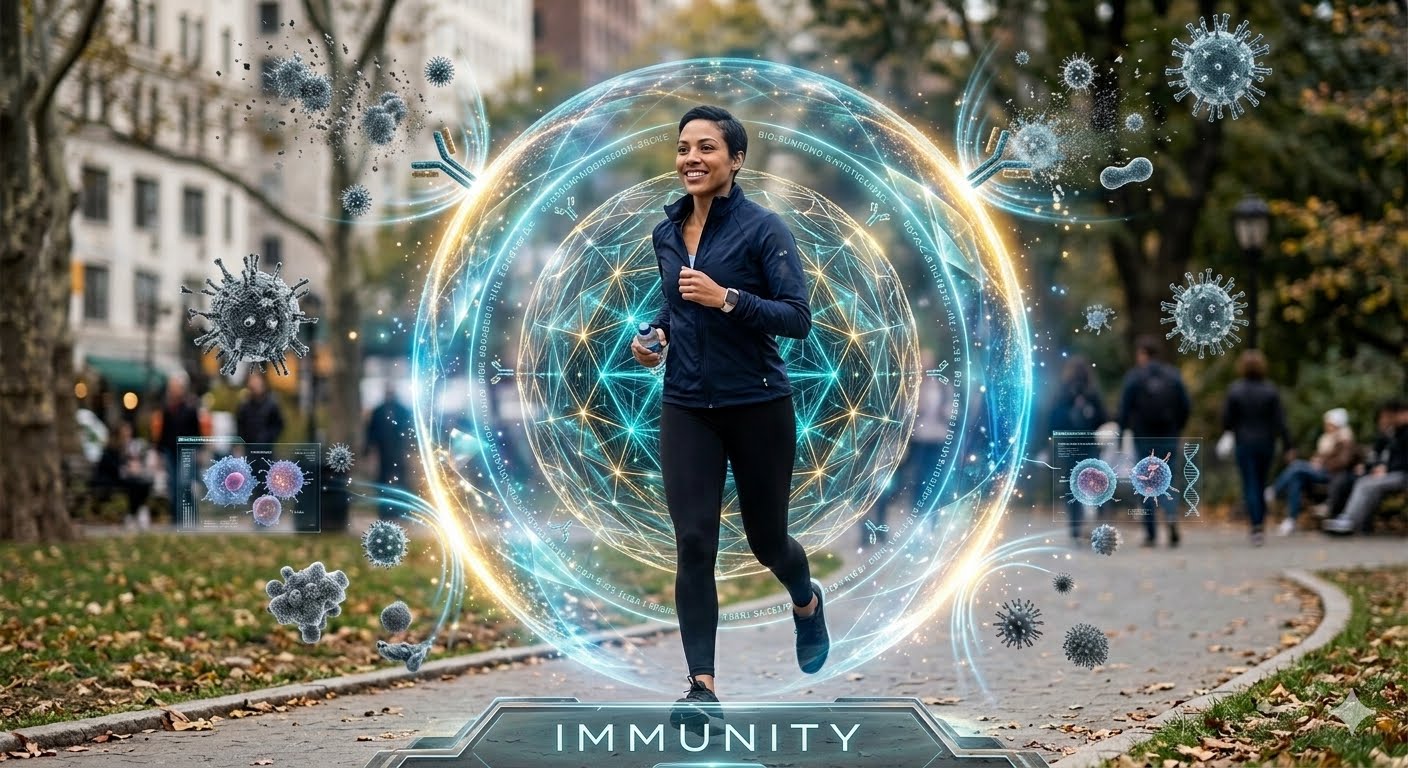
Body Defense System, Strength & Natural Protection
Immunity is the body’s natural defense system that protects you from infections, illnesses, and harmful invaders. It works quietly in the background every day, identifying threats and responding to keep the body stable and healthy.
A strong immune system does not mean you never get sick — it means your body is better prepared, faster at responding, and more efficient at recovery.
Your immunity is influenced by your lifestyle, including what you eat, how you sleep, how you manage stress, and how well you take care of your overall health.
“Strong immunity is built daily through consistent habits, not occasional efforts.”
🧬 Understanding Immunity
Immunity is a complex network of cells, tissues, and organs that work together to defend the body. It identifies harmful bacteria, viruses, and toxins, then responds to neutralize them.
The immune system is always active, even when you are not aware of it. It constantly monitors the body for anything that should not be there.
When the immune system is strong, it responds quickly and effectively. When it is weak or overwhelmed, the body becomes more vulnerable to illness and slow recovery.
Immunity is not a single organ — it is a full-body system that depends on balance and support from other systems like digestion, sleep, and nutrition.
🌿 Benefits of Strong Immunity
A well-supported immune system helps the body stay balanced and resilient.
Strong immunity may help:
• Reduce frequency of illness
• Support faster recovery
• Improve energy stability
• Strengthen overall body defense
• Improve healing processes
• Support long-term health resilience
• Enhance overall wellbeing
A strong immune system allows the body to function with greater stability and protection.
🥗 How to Strengthen Immunity
Supporting immunity requires consistent lifestyle habits that help the body function at its best.
Helpful habits include:
• Eating a balanced, nutrient-rich diet
• Getting enough quality sleep
• Managing stress effectively
• Staying physically active
• Drinking enough water daily
• Spending time in natural sunlight
• Maintaining good hygiene practices
The immune system responds strongly to how well the body is cared for daily.
❌ Habits That Weaken Immunity
Certain habits can slowly weaken the body’s defense system over time.
Try to avoid:
• Poor sleep habits
• High stress levels
• Processed and low-nutrient diets
• Sedentary lifestyle
• Dehydration
• Excessive alcohol or harmful substances
Weak immunity often develops gradually, not suddenly — through repeated lifestyle patterns.
🛡️ Reflect for a Moment
Think about how often your body feels strong and resilient versus tired and vulnerable. Your immune system is always working quietly in the background to protect you.
The strength of your immunity reflects the quality of your daily habits — sleep, food, stress levels, and lifestyle choices all play a role.
Small consistent improvements today can build stronger protection for your body over time.
“A resilient body is not built in moments of illness, but in daily habits of care and balance.”
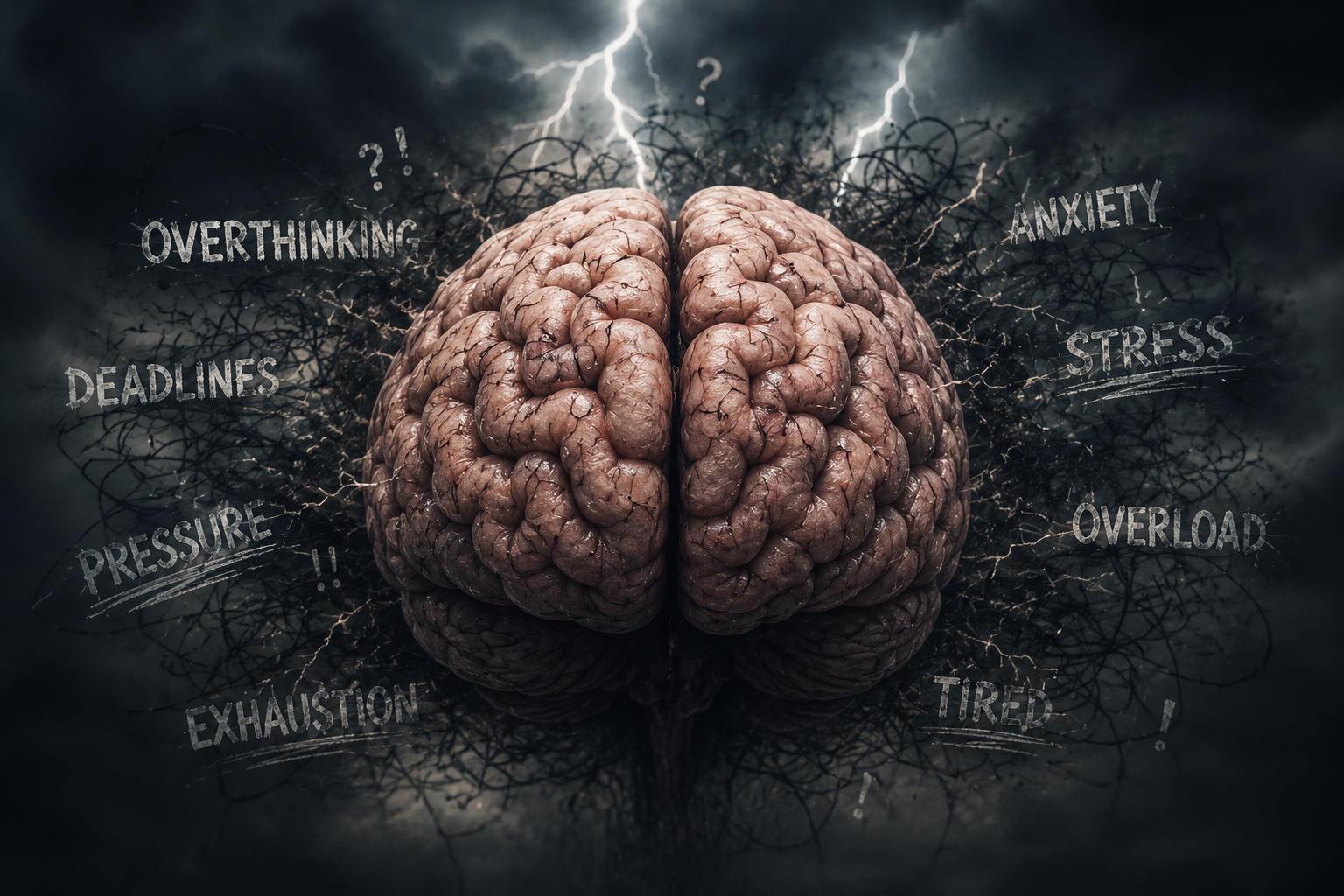
Stress, Mental Pressure & Emotional Balance
Stress is the body’s natural response to pressure, challenges, and overwhelming situations. In small amounts, it can help you stay alert and focused. But when it becomes constant, it starts affecting your mind, body, emotions, and overall wellbeing.
Many people live in a state of hidden stress without realizing it — from work pressure, personal responsibilities, financial concerns, emotional strain, and constant digital stimulation.
When stress is not managed properly, it can affect sleep, energy, digestion, mood, focus, and even long-term health. That is why learning how to understand and regulate stress is a key part of a healthy lifestyle.
“Peace is not the absence of pressure, but the ability to remain steady within it.”
🧩 Understanding Stress
Stress is a natural biological response designed to help humans react to challenges. It activates the nervous system and prepares the body for action. However, modern life often keeps this system switched on for too long.
When stress becomes chronic, the body stays in a constant state of alertness. This can affect hormones, digestion, sleep quality, and emotional stability over time.
Stress is not always visible. Some people appear calm externally while experiencing high internal pressure. That is why understanding your emotional and physical signals is important.
Recognizing stress early helps you manage it before it builds into exhaustion or burnout.
🌿 Benefits of Stress Management
Learning to manage stress effectively improves both mental and physical wellbeing.
It may help:
• Improve emotional stability
• Enhance focus and decision-making
• Support better sleep quality
• Improve digestion and body balance
• Reduce feelings of overwhelm
• Increase patience and clarity
• Support long-term mental health
A calmer mind creates space for better thinking, better habits, and better life decisions.
🧘 Healthy Stress Relief Habits
Managing stress requires intentional habits that help reset both mind and body.
Helpful practices include:
• Taking short breaks during intense tasks
• Practicing deep breathing or calm reflection
• Maintaining consistent sleep routines
• Reducing unnecessary mental overload
• Spending time in quiet or peaceful environments
• Talking to supportive people
• Engaging in light movement or walking
Stress management is not about removing all pressure from life — it is about building resilience to handle it better.
❌ Habits That Increase Stress
Some habits slowly increase stress levels without people realizing it.
Try to avoid:
• Overloading your schedule without rest
• Constant negative thinking patterns
• Poor sleep and irregular routines
• Excessive screen time and digital stimulation
• Ignoring emotional needs
• Suppressing feelings for long periods
Unmanaged stress builds quietly, but its effects become visible over time in both mental and physical health.
🧠 Reflect for a Moment
Think about how your mind feels on most days. Are you calm and balanced, or do you often feel mentally overloaded, rushed, or emotionally drained?
Stress is not always about big events — sometimes it comes from small daily pressures that accumulate over time. Your body and mind need space to rest, reset, and recover.
Learning to slow down mentally, even briefly, can help restore clarity, emotional balance, and inner stability.
“Calmness is a strength developed through awareness, balance, and the ability to remain steady even in difficult moments.”

Strength, Movement & Daily Body Activation
Fitness is the ability of your body to move efficiently, perform daily tasks with ease, and maintain strength, endurance, and mobility over time. It is not only about appearance — it is about functionality, energy, and long-term health.
A fit body supports every other system in your health: it improves circulation, boosts energy, strengthens the heart, enhances mood, and supports mental clarity.
Fitness is built through consistency, not intensity. Small daily movement patterns create long-term transformation.
“A strong body is not built in a day, but through daily movement, discipline, and consistency.”
🧠 Understanding Fitness
Fitness refers to the body’s ability to perform physical activities efficiently and recover properly afterward. It includes strength, flexibility, endurance, balance, and coordination.
A healthy fitness level means your body can handle daily activities without excessive fatigue or strain. It also improves internal systems like circulation, oxygen flow, and metabolism.
Fitness is not limited to gym workouts — walking, stretching, body movement, and active living all contribute to overall fitness.
The goal is not perfection but sustainable movement habits that support long-term health.
🌿 Benefits of Fitness
Regular physical activity supports both physical and mental wellbeing.
Fitness may help:
• Increase energy and stamina
• Improve heart and lung health
• Support better mood and mental clarity
• Strengthen muscles and bones
• Improve posture and mobility
• Support healthy weight balance
• Reduce stress and anxiety levels
A fit body makes daily life easier, smoother, and more enjoyable.
🏃 Healthy Fitness Habits
Fitness is built through simple, consistent movement habits that fit into daily life.
Helpful habits include:
• Daily walking or light movement
• Simple bodyweight exercises
• Stretching for flexibility
• Staying active during the day
• Maintaining good posture
• Taking breaks from long sitting periods
• Choosing consistency over intensity
Small movements done consistently are more powerful than occasional intense workouts.
❌ Habits That Reduce Fitness
Some habits gradually reduce physical strength, energy, and mobility over time.
Try to avoid:
• Long periods of inactivity
• Poor posture habits
• Irregular movement patterns
• Over-reliance on convenience lifestyle
• Ignoring physical discomfort signals
The body is designed to move — when it stops moving regularly, it begins to lose efficiency.
🏋️ Reflect for a Moment
Think about how active your daily life is. Do you move your body regularly, or do you spend long hours in one position without much movement?
Your body is designed for motion, and even small consistent activity can significantly improve how you feel physically and mentally.
Fitness is not about pressure — it is about creating a lifestyle where movement becomes natural.
“Movement is life, and consistency is what transforms movement into strength.”

Vitality, Longevity & Timeless Living
Youthfulness is not defined by age — it is defined by how the body feels, functions, and responds to life. A youthful body is energetic, resilient, clear, and adaptable.
True youth is maintained through consistent lifestyle habits such as balanced nutrition, quality sleep, regular movement, emotional stability, and stress management.
When the body is well cared for, it reflects vitality regardless of age.
“Youth is not something you lose — it is something you maintain through how you live each day.”
🧬 Understanding Youthfulness
Youthfulness is a reflection of how efficiently the body is functioning internally. It is influenced by energy levels, cellular health, circulation, hormonal balance, and mental clarity.
As the body ages, natural processes slow down, but lifestyle choices can significantly influence how fast or slow this happens.
A youthful body maintains strong energy, clear skin, stable mood, good mobility, and fast recovery ability.
Youth is not just appearance — it is performance, vitality, and resilience combined.
✨ Benefits of a Youthful Lifestyle
A lifestyle that supports youthfulness improves both physical and emotional wellbeing.
It may help:
• Maintain high energy levels
• Improve skin glow and elasticity
• Support mental clarity and focus
• Improve physical strength and mobility
• Enhance emotional stability
• Support long-term health and longevity
Youthful living is about sustaining vitality, not chasing age reversal.
🌿 How to Maintain Youthfulness
Youthfulness is built through consistent care of the body and mind.
Helpful habits include:
• Eating nutrient-rich whole foods
• Getting quality sleep regularly
• Staying physically active
• Managing stress effectively
• Staying hydrated
• Keeping a positive mindset
• Avoiding harmful lifestyle habits
These habits work together to preserve vitality over time.
❌ Habits That Accelerate Aging
Some habits can reduce energy and vitality over time if not managed properly.
Try to avoid:
• Chronic stress and emotional overload
• Poor sleep patterns
• Processed and low-nutrient diets
• Sedentary lifestyle
• Neglecting self-care routines
Aging is natural, but how you experience it is heavily influenced by daily choices.
🌟 Reflect for a Moment
Think about how you currently feel in your body — your energy, your mood, your strength, and your overall sense of vitality.
Youthfulness is not something outside of you — it is reflected in how well you care for your body and mind every day.
Small consistent habits shape long-term vitality more than any quick solution ever could.
“Youth is preserved not by avoiding age, but by living in alignment with balance, energy, and care.”
Rest, Balance & Personal Renewal
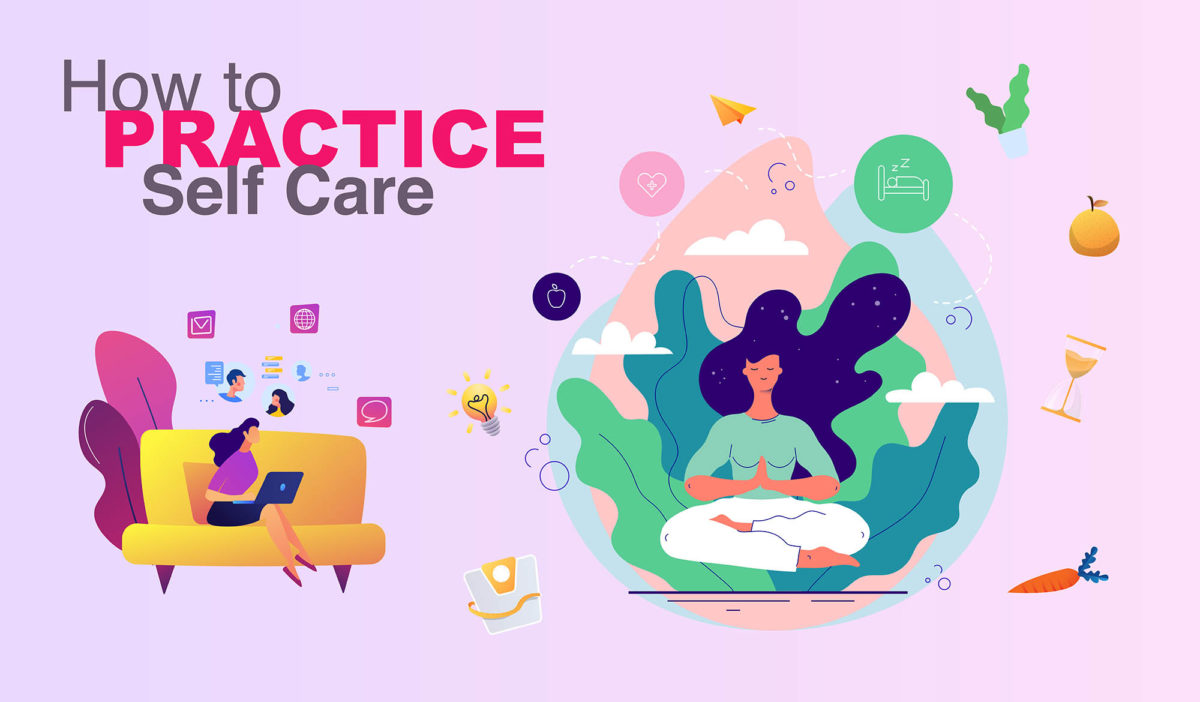
Self care is the practice of intentionally taking care of your physical, mental, and emotional wellbeing. It is not selfish — it is necessary for balance and long-term health.
In a fast-moving world, many people neglect rest, recovery, and personal attention. Over time, this leads to burnout, emotional fatigue, and physical imbalance.
Self care helps the body reset, the mind slow down, and the emotions stabilize so you can function at your best again.
“You cannot pour from an empty system — care for yourself first so everything else can function better.”
🧠 Understanding Self Care
Self care is the conscious effort to maintain your wellbeing through rest, boundaries, and healthy routines. It includes how you treat your body, how you manage your mind, and how you respond to stress.
It is not only about relaxation — it is also about prevention. Proper self care helps reduce burnout, emotional overload, and physical exhaustion.
When self care is neglected, other areas of health such as energy, immunity, mood, and focus begin to decline.
It is the foundation that supports all other health systems working together.
🌿 Benefits of Self Care
Regular self care improves both physical and emotional balance.
It may help:
• Reduce stress and mental overload
• Improve emotional stability
• Boost energy and recovery
• Improve sleep quality
• Enhance focus and clarity
• Strengthen resilience against burnout
Self care creates space for the body and mind to reset and function better.
🧘 Healthy Self Care Habits
Self care is built through simple daily habits that restore balance.
Helpful habits include:
• Taking intentional rest breaks
• Prioritizing quality sleep
• Setting healthy personal boundaries
• Engaging in calming activities
• Spending time in quiet reflection
• Keeping your environment clean and calm
• Listening to your emotional needs
Consistency in self care leads to long-term stability and wellbeing.
❌ Habits That Reduce Self Care
Some habits slowly drain mental and emotional energy if not managed properly.
Try to avoid:
• Ignoring rest and recovery needs
• Overworking without breaks
• Emotional neglect
• Poor sleep routines
• Constant overstimulation
Without self care, even strong health systems eventually become imbalanced.
🧴 Reflect for a Moment
Think about how often you truly pause for yourself during the day. Not for work, not for responsibilities — but for your own restoration.
Self care is not about luxury — it is about maintaining your ability to function, think clearly, and stay emotionally balanced.
Even small moments of rest and awareness can restore your system more than you realize.
“Rest is not a reward — it is a requirement for a balanced and healthy life.”
Your Complete Health Sphere System
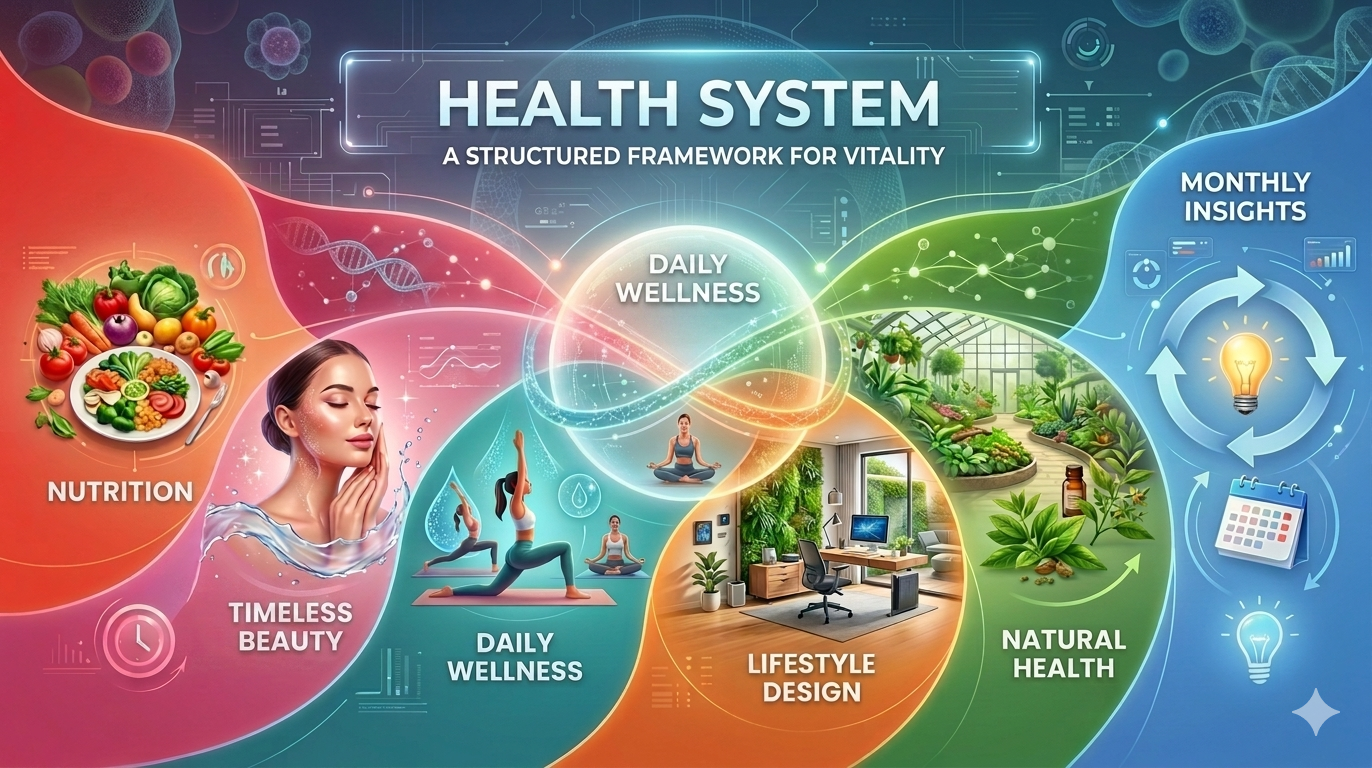
This Health Sphere is a complete lifestyle framework built to help you understand your body, improve your habits, and build long-term wellbeing.
Each topic works together as one system — supporting your energy, appearance, immunity, mindset, and overall quality of life.
This Is a Living Health System — Not a One-Time Read
Your body is always changing — and so should your understanding of it.
This Health Sphere is designed to evolve with you. New guides, deeper insights, practical tips, and improved lifestyle strategies will continue to be added regularly.
Every return gives you something new to apply — something that improves how you feel, think, and live.
Return often. Learn more. Improve daily. Build lifelong health.
Build a Health System Your Body Can Rely On
Access structured guidance, powerful systems, and practical tools to improve your energy, appearance, and long-term health.
Start now—your daily actions today will shape the strength, energy, and health you live with tomorrow.